Termite Tenting in Cumming, GA
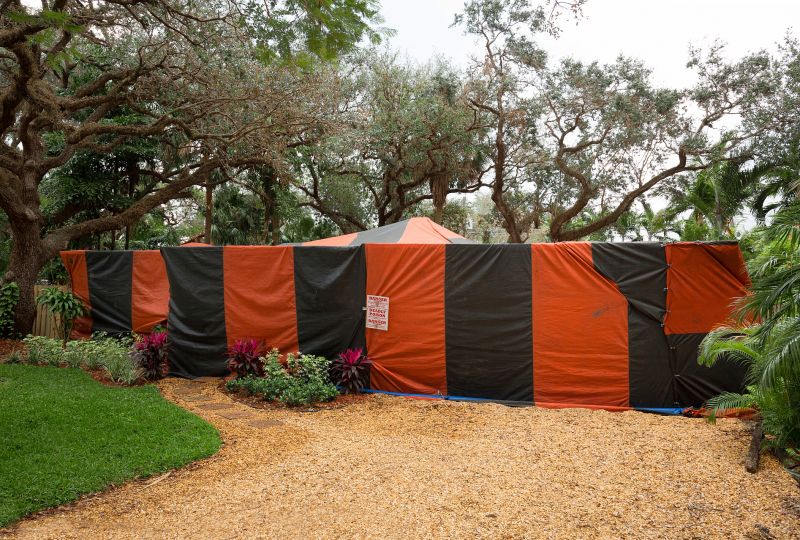
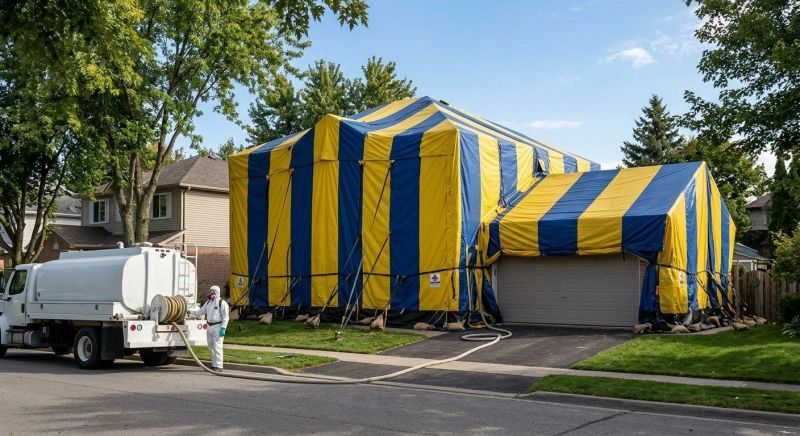
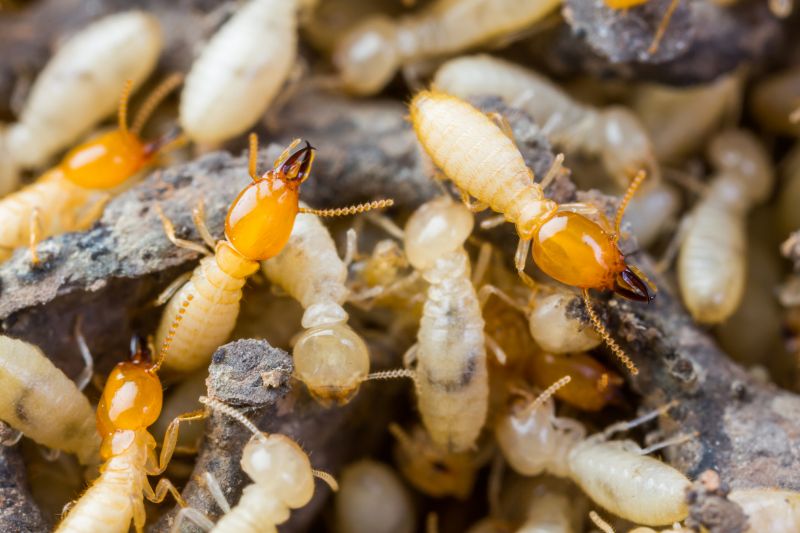
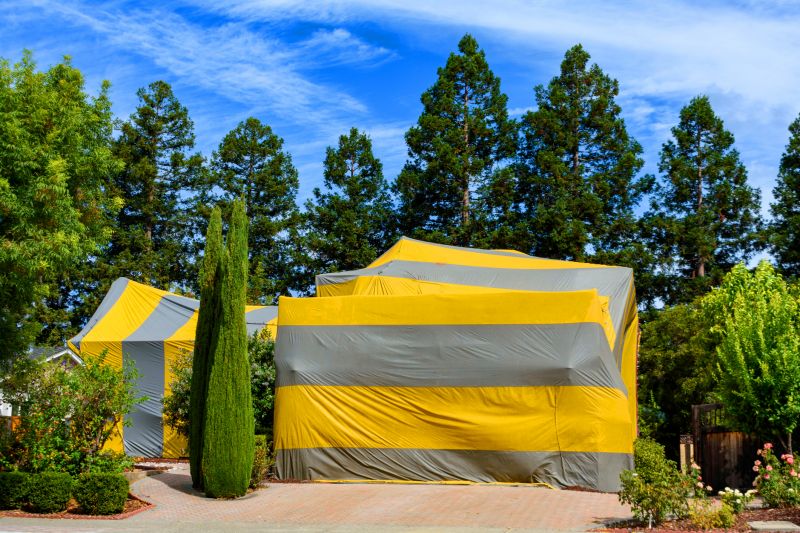
Termite tenting services involve enclosing a property with a specialized tent and applying fumigant to eliminate termite infestations throughout the structure. This method is typically used for extensive or severe infestations that cannot be controlled with spot treatments. Property owners often request this service when signs of termite activity, such as damaged wood or visible tunnels, are confirmed, or when a professional inspection indicates a widespread problem that requires thorough treatment of the entire building.
Before requesting termite tenting, homeowners should understand that the process involves temporarily vacating the property during treatment and following specific safety protocols afterward. It is important to consider the size of the property, the presence of furnishings or belongings that may need to be protected or removed, and any potential impacts on pets or plants. Clarifying these details with a pest control professional can help ensure the treatment is effective and the property is prepared appropriately.
Many property owners in Cumming, GA look into Termite Tenting for repairs, replacements, upgrades, and appearance-related improvements.
Termite Tenting Overview
This service provides comprehensive treatment to eliminate termites from residential and commercial properties in cumming, ga.
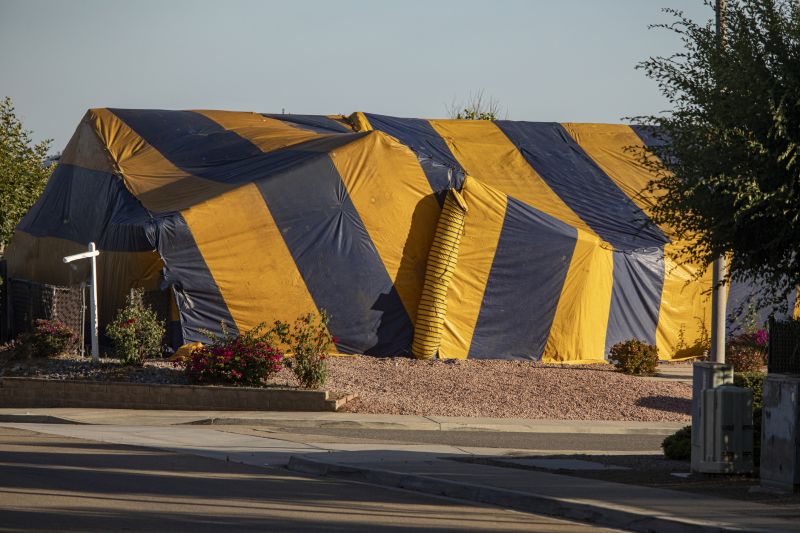
Benefits Of Tenting
Tenting creates a sealed environment that effectively eradicates termites and protects the structure from future infestations.
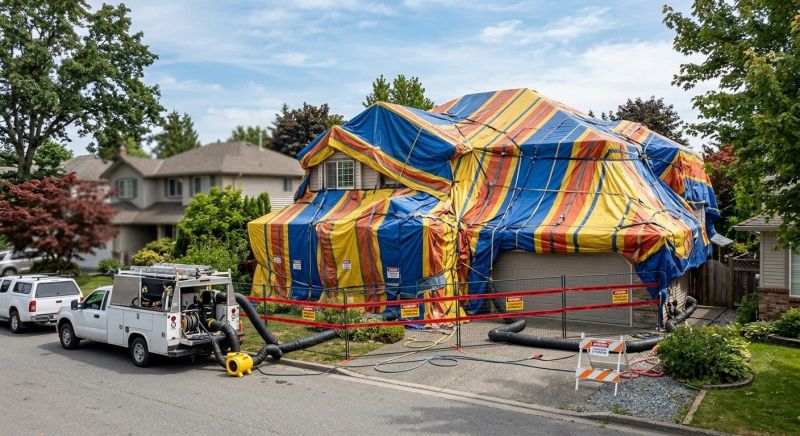
Property Preparation & Safety
Proper preparation ensures safety and effectiveness when applying termite fumigation to homes and buildings in the area.
Termite Tenting in Cumming, GA
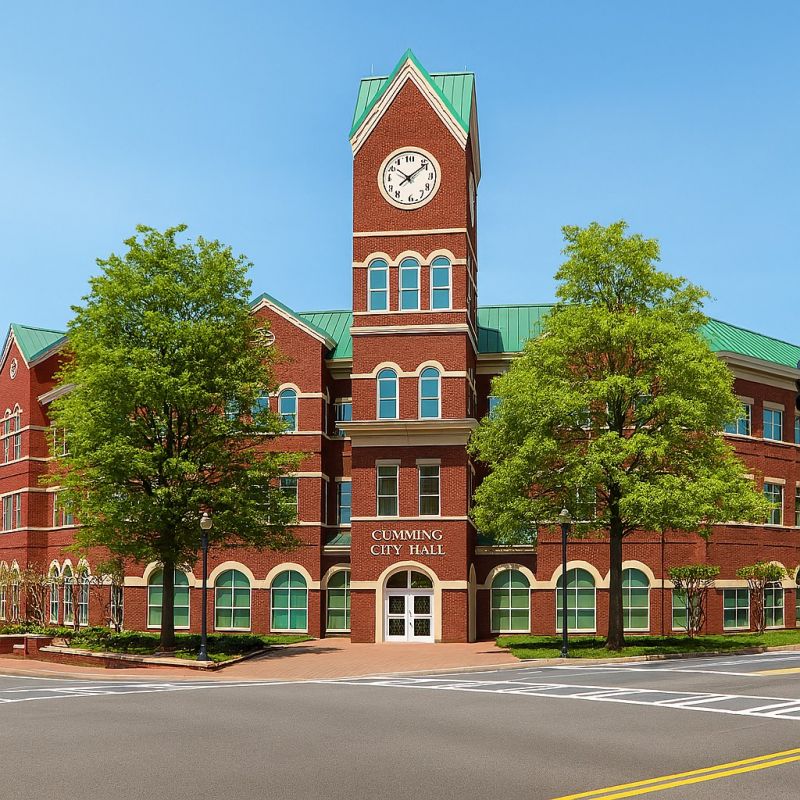
Termite tenting services involve enclosing a property with a specialized tent and applying fumigant to eliminate termite infestations throughout the structure. This method is typically used for extensive or severe infestations that cannot be controlled with spot treatments. Property owners often request this service when signs of termite activity, such as damaged wood or visible tunnels, are confirmed, or when a professional inspection indicates a widespread problem that requires thorough treatment of the entire building.
Before requesting termite tenting, homeowners should understand that the process involves temporarily vacating the property during treatment and following specific safety protocols afterward. It is important to consider the size of the property, the presence of furnishings or belongings that may need to be protected or removed, and any potential impacts on pets or plants. Clarifying these details with a pest control professional can help ensure the treatment is effective and the property is prepared appropriately.
Many property owners in Cumming, GA look into Termite Tenting for repairs, replacements, upgrades, and appearance-related improvements.
Common Termite Tenting Jobs
Termite Tenting - a method to eliminate termites through a sealed, gas-based treatment.
Infestation Removal - effective for treating severe termite colonies inside structures.
Pre-Construction Tenting - applied before building or renovating to prevent termite entry.
Post-Construction Tenting - used to address existing termite problems in established properties.
Property Protection - helps safeguard homes from future termite damage.
Treatment Planning - involves assessing the property to determine the appropriate tenting approach.
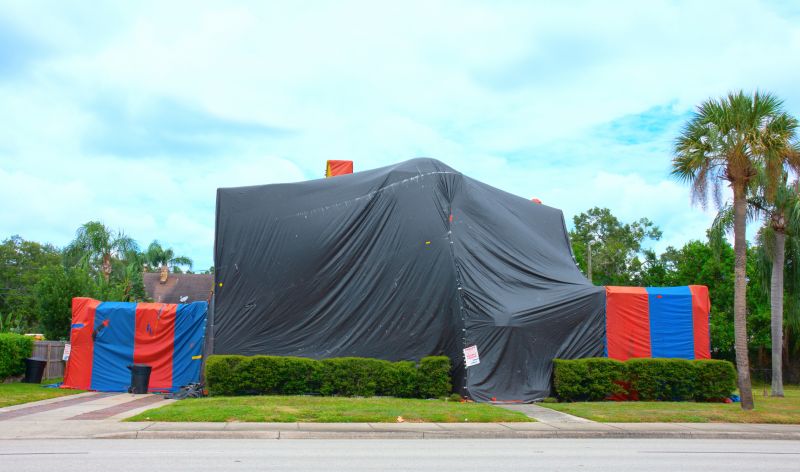
Termite Tenting Questions
What is termite tenting? Termite tenting involves covering a property with a special tent to safely treat and eliminate termites inside.
When is termite tenting recommended? Tenting is typically used for severe infestations or when other treatments have not been effective.
Does tenting affect belongings inside the property? Yes, belongings may need to be removed or protected before the tenting process begins.
How does termite tenting work? The process involves sealing the structure and releasing gas to eradicate termites throughout the building.
Request Termite Tenting in Cumming, GA
Use the quote form on this page to share the basics of your project and request more information for the type of work you need.